How to Apply Them in Real Life
As we move into 2026, web design is shifting away from overly polished minimalism and toward something more intentional, expressive, and human. The newest design trends aren’t about decoration, they’re about clarity, connection, and experience.
Inspired by Squarespace’s latest design trend insights, here’s a practical look at the top web design trends for 2026, and how you can apply them in meaningful, real-world ways.
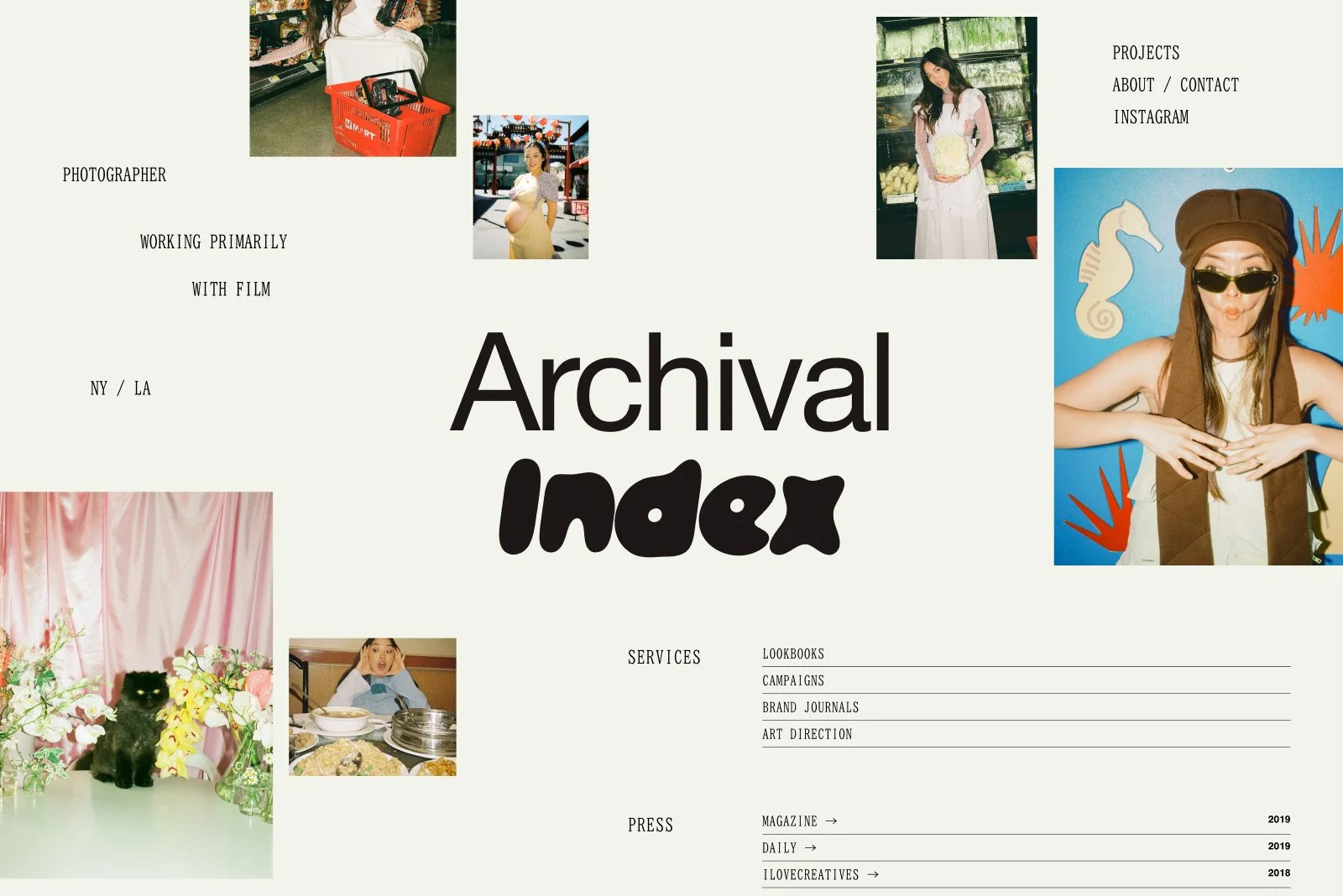
1. Archival Index: Designing for Clarity and Credibility
The Archival Index trend treats websites like curated libraries rather than endless feeds. Structured layouts, clear labels, and grid-based systems help users find what they need quickly while positioning the brand as a trusted authority.
How to apply it:
Organize content into clearly labeled sections and categories
Use grid layouts instead of long scrolling pages
Create resource hubs, knowledge centers, or indexed blog libraries
This approach works especially well for educational platforms, wellness directories, and thought-leadership brands that want to feel organized and credible.
Source: Squarespace Blog
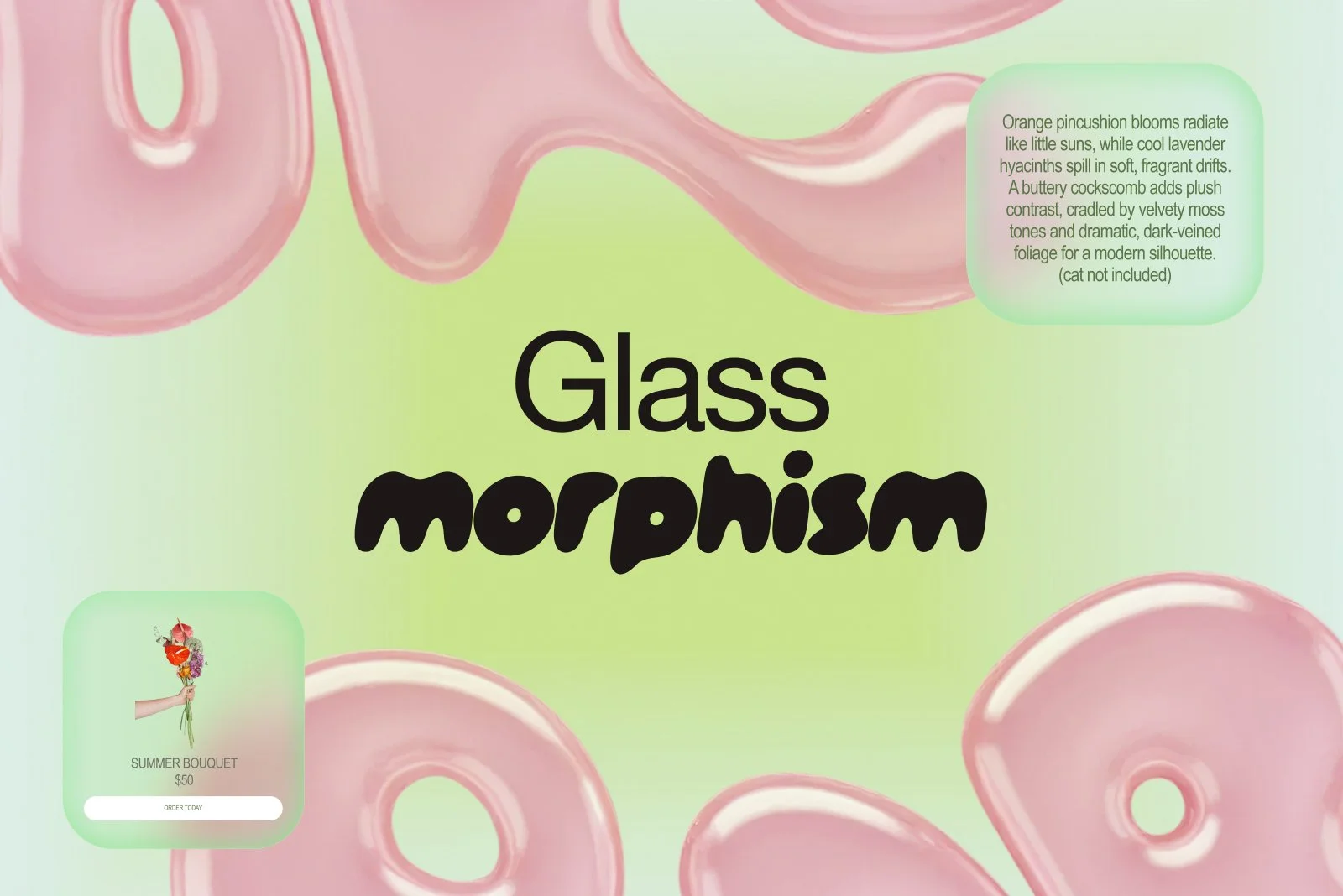
2. Glassmorphism: Modern Design with a Calm Edge
Glassmorphism brings a sleek, futuristic feel through transparency, soft blur, and layered depth. When used subtly, it creates elegance without overwhelming the user.
How to apply it:
Add translucent backgrounds to cards, menus, or call-to-action sections
Use blur effects behind pop-ups or pricing tables
Pair with neutral tones and generous white space
This trend is ideal for modern wellness brands, digital programs, and tech-forward service websites.
Source: Squarespace Blog
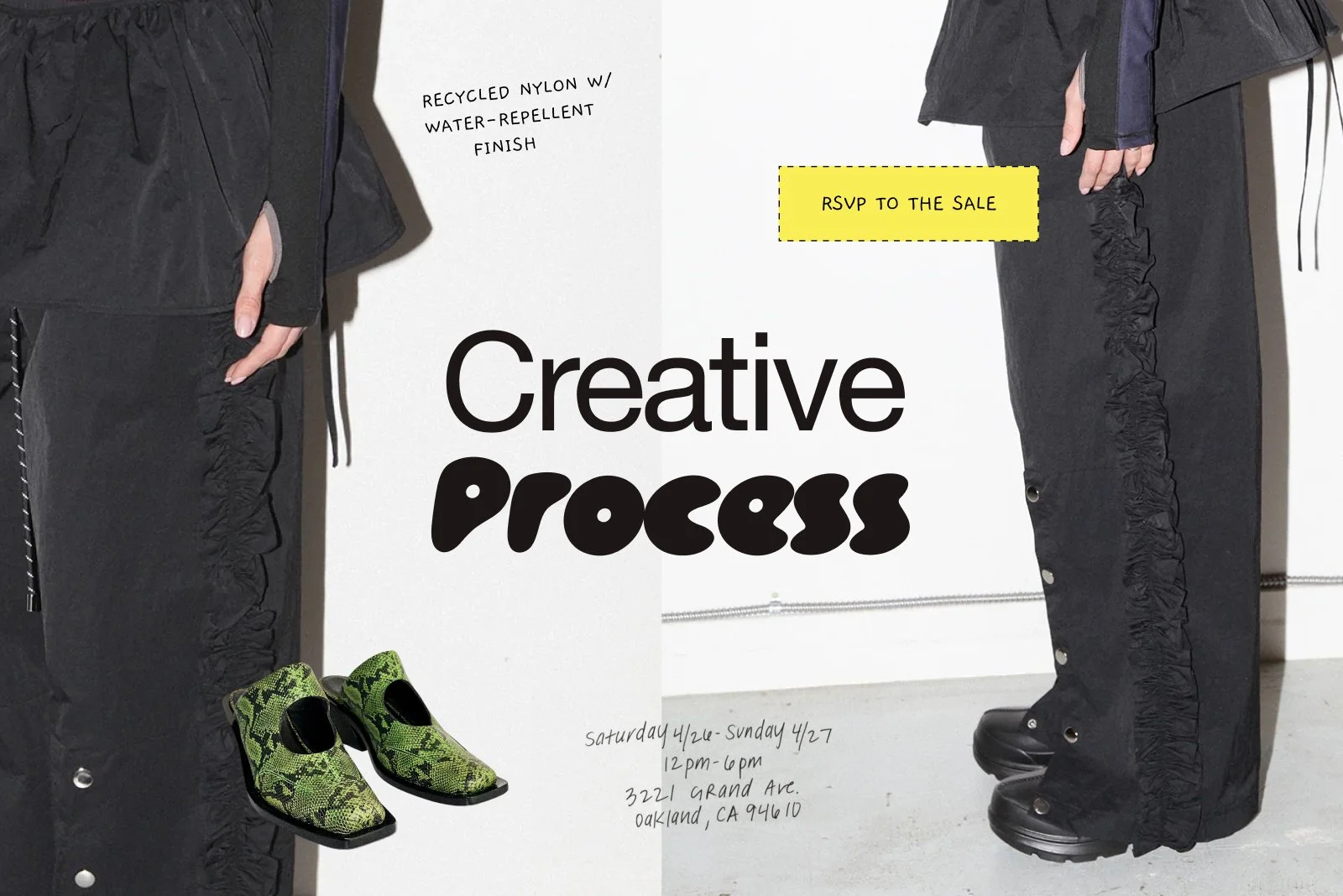
3. Creative Process: Show the Human Side of Your Brand
Perfect design is making room for imperfection. The Creative Process trend embraces hand-drawn elements, textures, collage-style layouts, and behind-the-scenes storytelling to highlight authenticity.
How to apply it:
Incorporate hand-drawn icons or annotations
Share sketches, drafts, or process visuals
Use organic shapes and mixed media elements
This works beautifully for personal brands, coaches, practitioners, and retreat experiences where trust and connection matter.
Source: Squarespace Blog
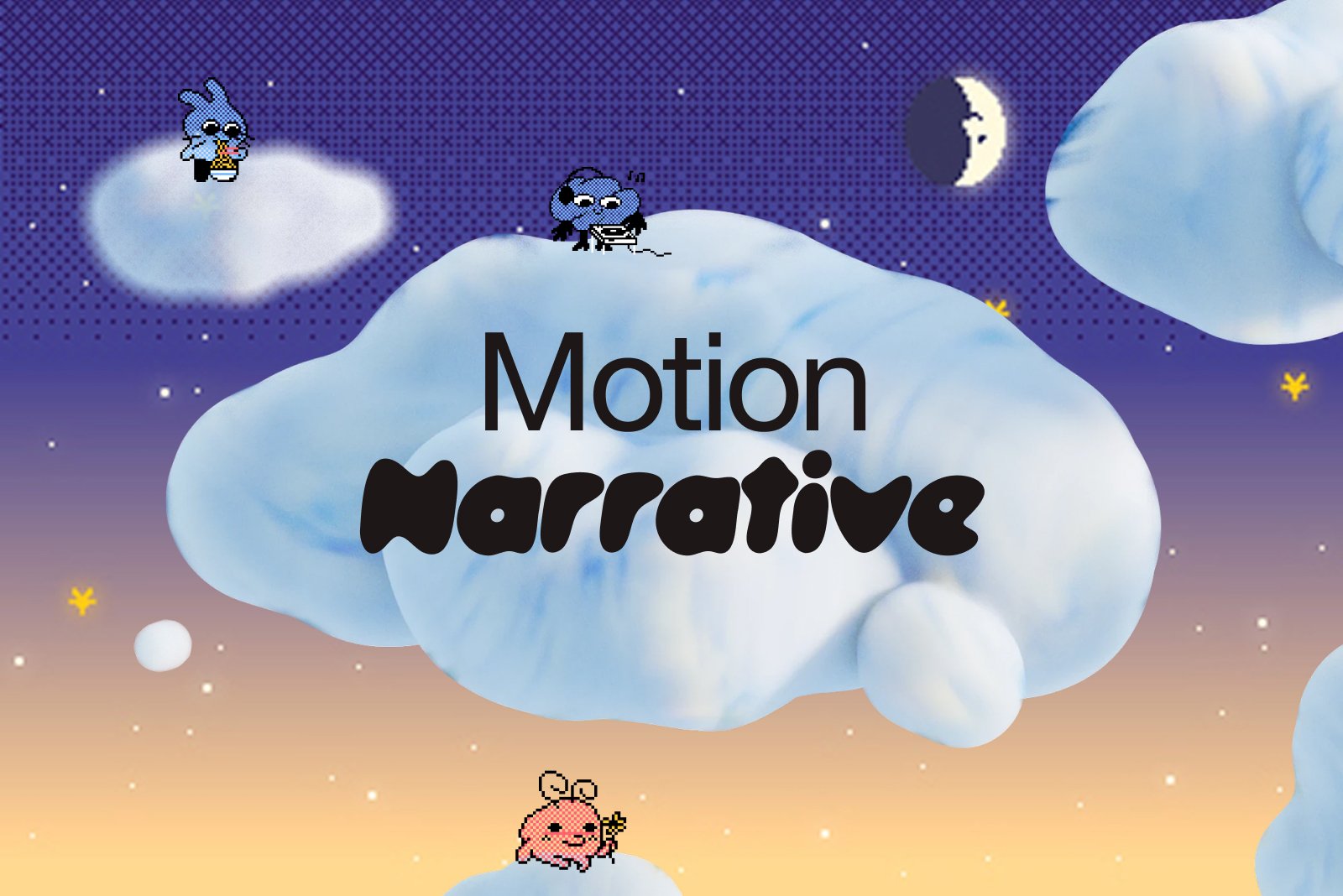
4. Motion Narrative: Let the Website Tell a Story
Motion Narrative uses intentional animation to guide visitors through content rather than distract them. When done right, motion enhances storytelling and user flow.
How to apply it:
Use subtle scroll animations and section reveals
Animate transitions between sections
Keep motion slow, purposeful, and accessible
This trend is best used on high-impact pages like homepages, About pages, or program landing pages.
Source: Squarespace Blog
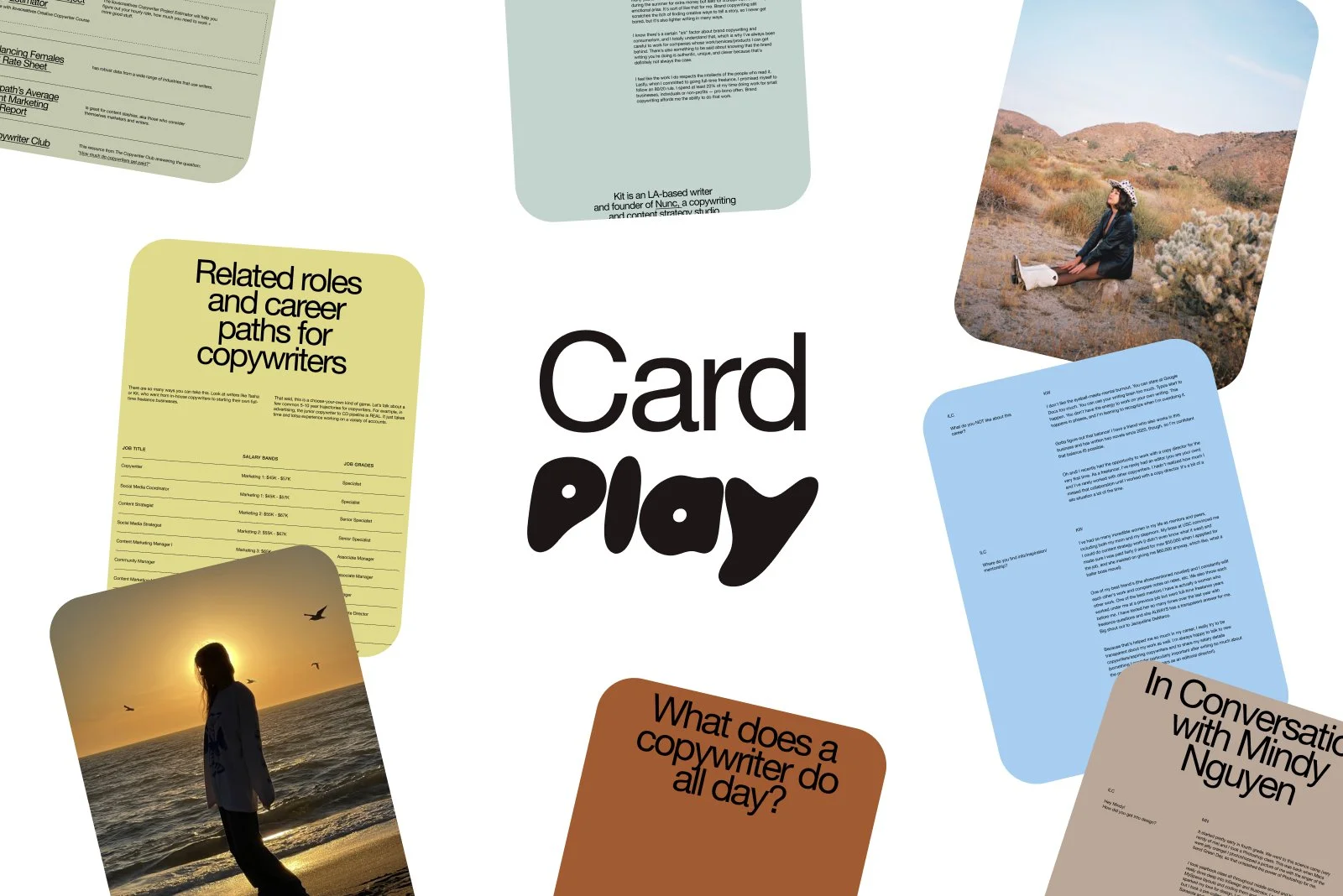
5. Card Play: Modular, Interactive Content
Card-based design continues to evolve, turning static content into interactive, digestible modules. Cards make information easier to scan and explore while adding a sense of playfulness.
How to apply it:
Break services or content into clickable cards
Use hover effects or expandable modules
Replace long text blocks with visual summaries
This is especially effective for service listings, blog previews, and directory-style websites.
Source: Squarespace Blog
The Big Shift in 2026 Web Design
The overarching theme of 2026 web design is intentionality. Brands are moving toward:
Less perfection and more personality
Structured layouts that reduce overwhelm
Designs that feel human, expressive, and purposeful
Design is no longer just about looking good, it’s about how a site feels to navigate.
Want to Explore These Trends Further?
This article is based on insights from Squarespace’s professional design team.
For a deeper visual dive into these trends, read the original post here: https://pros.squarespace.com/blog/design-trends
Take the Quiz for find out your trend https://pros.squarespace.com/blog/design-trends-quiz